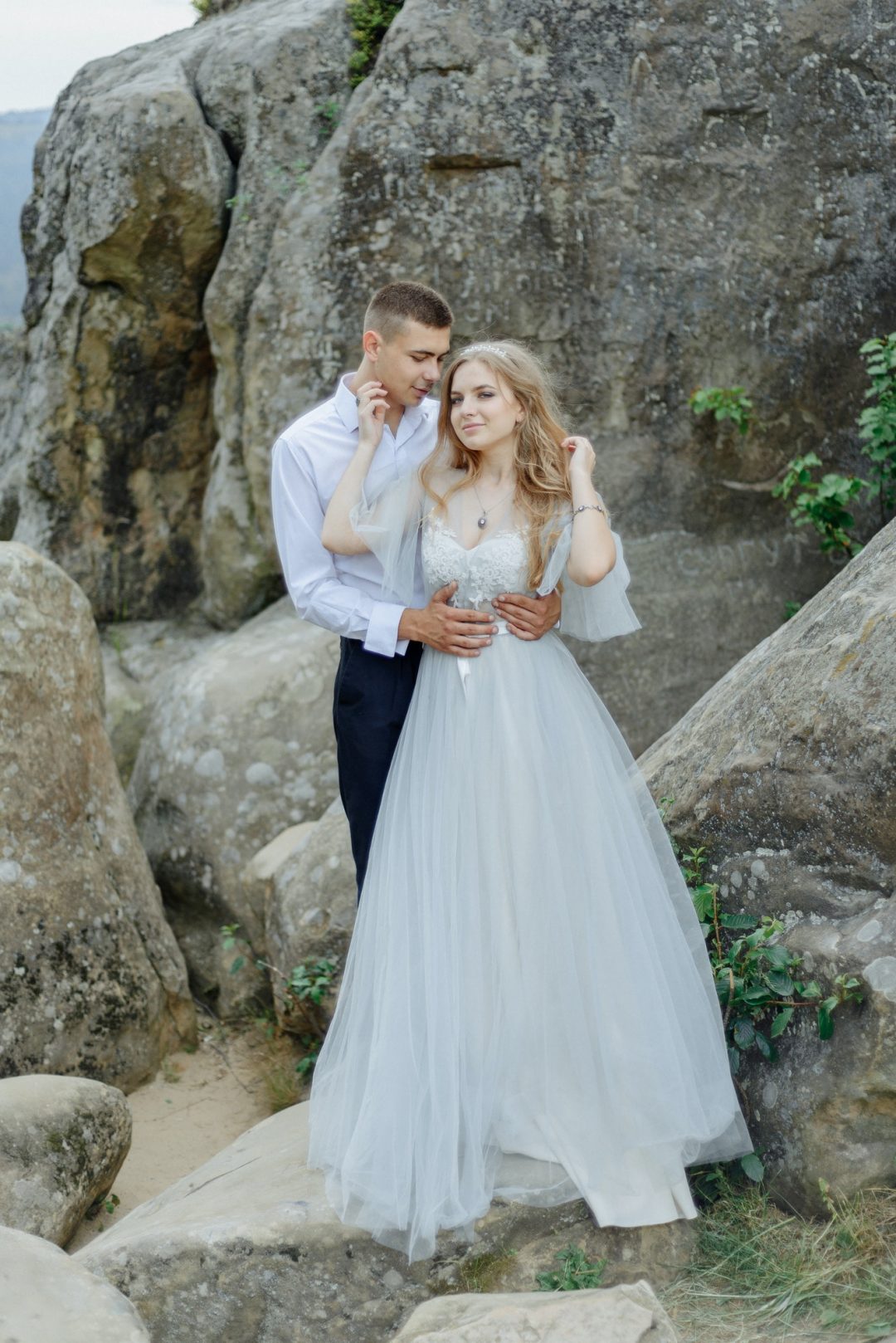
Major life changes often trigger a complex emotional response, impacting overall well-being. Photography emerges as a significant tool in this process, offering individuals a means to capture and articulate their feelings visually. This practice fosters mindfulness and reflection, encouraging personal growth. Yet, the journey does not end with the click of a shutter. Exploring how photography can transform these experiences reveals deeper layers of emotional resilience and connection. What unfolds next may surprise many.
Key Takeaways
- Engage in mindful photography to enhance focus and emotional awareness during significant life changes.
- Document experiences through themed photo projects to create a visual narrative that aids emotional processing.
- Use photography as a tool for journaling, deepening emotional exploration and reflection on personal growth.
- Participate in community photography workshops to build connections and foster a sense of belonging amidst emotional turmoil.
- Capture everyday moments to recognize joy, providing clarity and perspective during challenging transitions.
Understanding the Impact of Major Life Changes on Emotional Well-Being
When individuals experience major life changes, they often find their emotional well-being considerably affected. These shifts, whether positive or negative, can evoke a range of emotions, from anxiety to excitement. Coping with major change requires emotional resilience, as individuals navigate unfamiliar circumstances that challenge their sense of stability. Feelings of loneliness and disconnection may arise, making it essential for individuals to seek supportive networks and coping strategies that foster a sense of belonging. Understanding the impact of such changes is vital; it allows individuals to process their emotions and recognize that their experiences are valid and shared by others. By acknowledging these feelings, one can pave the way toward healing and growth, ultimately enhancing emotional well-being during tumultuous times.
The Therapeutic Benefits of Photography in Coping With Major Change
Experiencing major life changes can leave individuals feeling overwhelmed and uncertain, prompting the need for effective coping mechanisms. Photography serves as a powerful tool in this situation, offering several therapeutic benefits:
- Emotional Expression: Capturing images allows individuals to convey feelings that may be difficult to articulate, providing an outlet for emotional release.
- Mindfulness Practice: The act of focusing on visual details encourages mindfulness, drawing attention away from chaos and fostering a sense of calm.
- Narrative Creation: Photography enables individuals to document their journeys, creating a visual narrative that can help make sense of their experiences and reinforce a sense of belonging.
Through these benefits, photography can greatly aid in coping with major change, fostering emotional well-being during tumultuous times.
Techniques for Using Photography as a Tool for Reflection and Growth
Harnessing the power of photography can facilitate profound reflection and personal growth, especially during times of significant life changes. Individuals can employ techniques such as journaling alongside their images, allowing for deeper exploration of emotions captured in photographs. Creating themed photo projects focused on specific changes can also foster a sense of purpose, helping to contextualize experiences. Additionally, engaging in mindful photography—where one focuses on the present moment—encourages awareness and acceptance of feelings. Sharing these creations within supportive communities can further enhance feelings of belonging, providing validation and understanding. By utilizing these techniques, individuals coping with major change can transform their photographic practice into a meaningful tool for reflection and growth, ultimately promoting emotional well-being.

Capturing Moments: How Photography Helps Process Emotions
Photography serves as a powerful medium for individuals to process their emotions, particularly during challenging times of alteration. By capturing moments through the lens, one can create a visual narrative that aids in emotional understanding and healing. This practice can manifest in several impactful ways:
- Documenting Changes: Photographs of significant events, such as graduations or relocations, serve as reminders of transformation.
- Expressing Feelings: Artistic interpretations of personal experiences can evoke catharsis, allowing individuals to confront their emotions visually.
- Finding Beauty in the Everyday: Capturing mundane moments fosters appreciation, helping individuals recognize joy amidst turmoil.
Engaging with photography offers a pathway for coping with major change, enabling individuals to navigate their emotional landscape with clarity and intention.
Building a Supportive Community Through Shared Photography Experiences
A vibrant tapestry of connections often emerges from shared photography experiences, fostering a sense of community that can be essential during times of major change. Engaging in group photography projects or workshops allows individuals to bond over their creative expressions, cultivating empathy and understanding. This collective journey not only enhances artistic skills but also reinforces emotional resilience as participants share their stories and perspectives. As members navigate the complexities of coping with major change, the support garnered through these experiences can be transformative. The encouragement and validation found within a community of like-minded individuals provide a safe space for vulnerability, establishing a network that uplifts and inspires. In this way, photography becomes a powerful tool for connection and emotional growth.
Frequently Asked Questions
How Can Photography Help With Stress Management During Major Changes?
Photography can aid in stress management during major changes by providing a creative outlet for expression, fostering mindfulness, and encouraging reflection. This process helps individuals process emotions, find meaning, and cultivate a sense of belonging amidst uncertainty.
What Equipment Is Best for Beginners in Photography?
For beginners in photography, a DSLR or mirrorless camera with a versatile zoom lens is ideal. Additionally, a sturdy tripod and a simple editing software can enhance skills, encouraging a sense of belonging within the photography community.
Are There Specific Photography Styles That Aid Emotional Processing?
Certain photography styles, such as documentary and portraiture, can facilitate emotional processing. They encourage individuals to confront feelings, capture personal narratives, and foster connections, ultimately supporting their journey in coping with major change and enhancing emotional well-being.
How Often Should I Practice Photography for Emotional Benefits?
Regular practice, ideally several times a week, allows individuals to effectively process emotions and navigate major changes. Engaging consistently in photography fosters creativity, encourages reflection, and enhances emotional well-being, thereby supporting coping with major change.
Can I Use Smartphone Photography for Emotional Well-Being?
Yes, smartphone photography can effectively enhance emotional well-being. It provides an accessible means for self-expression, helps individuals process feelings, and fosters connections with others, ultimately aiding in coping with major change through creative exploration.
Conclusion
To summarize, utilizing photography as a means to navigate major life changes offers profound emotional benefits. By capturing and reflecting on personal experiences, individuals gain insight into their emotional states, fostering resilience and acceptance. Engaging in mindful photography not only enhances personal growth but also nurtures connections within supportive communities. Ultimately, this creative expression serves as a powerful catalyst for healing, allowing individuals to confront their emotions and emerge stronger through the lens of their unique journeys.
You May Also Like To Read: